
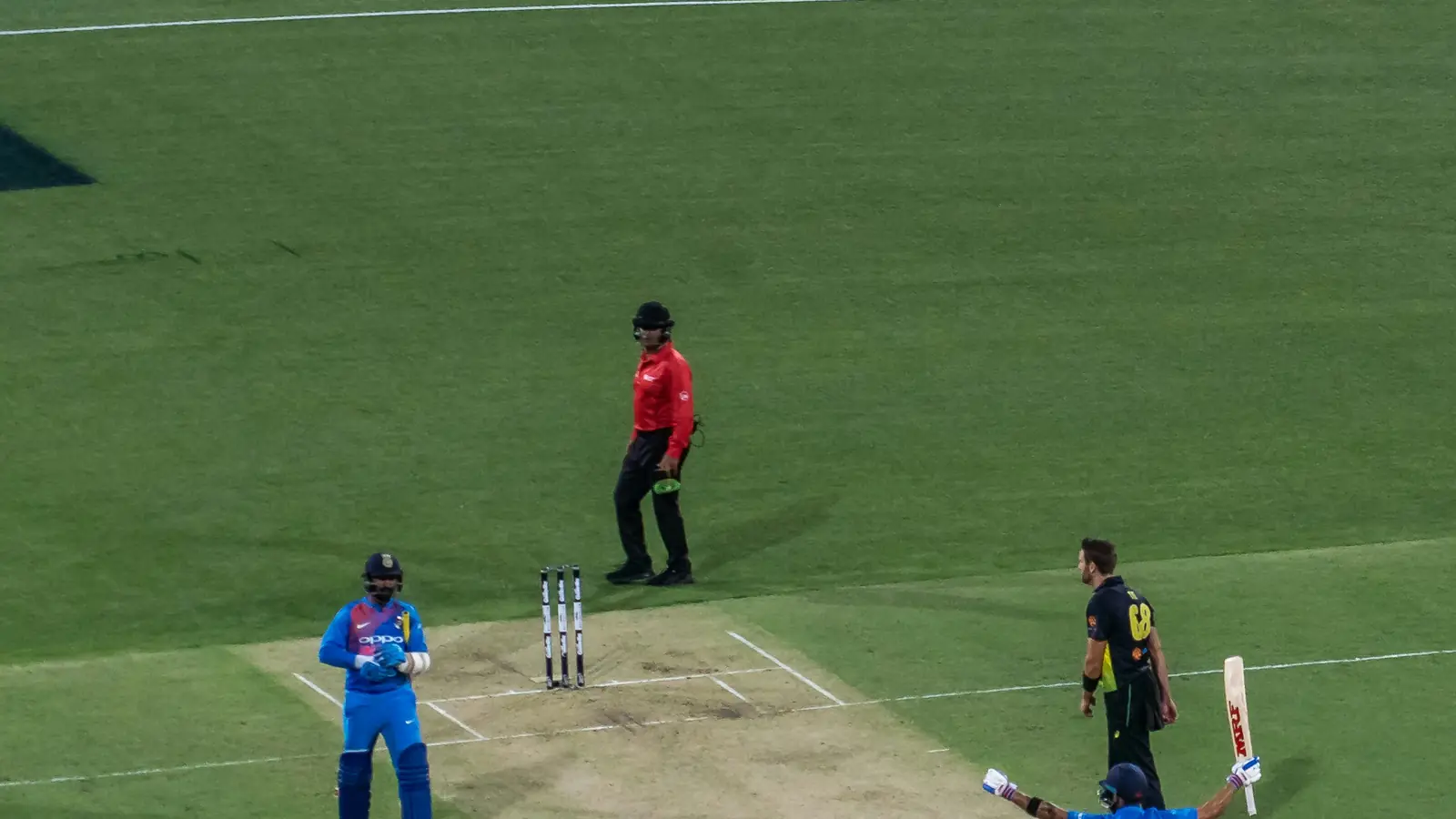
Key takeaways
- Flat pitch: batters. Dry, turning pitch: spinners. Green or damp pitch: seamers early. Slow and low: bowlers who take pace off.
- Recent first-innings scores at the venue tell you what a normal total is.
- Rain, cloud and dew change matches — check the forecast, not just the pitch.
- Use the toss decision and confirmed elevens for your final changes.
Why conditions matter
The same player can be a great pick at one ground and a poor one at the next. Conditions decide whether batters or bowlers get the upper hand, which type of bowling works, and how many runs a typical innings produces. Five minutes of reading before the deadline can change several picks — and often your captain.
Read the pitch
| Pitch | What it usually means | Fantasy lean |
|---|---|---|
| Flat, hard, even bounce | High scores, few wickets for bowlers early | Top-order batters, especially as captain |
| Dry, cracked, turning | Spin grips, scoring slows as the match goes on | Spinners and batters who play spin well |
| Green, grassy or damp | Seam movement with the new ball | Powerplay seam bowlers; be careful with openers |
| Slow and low | Hard to hit through the line; lower totals | Bowlers who take pace off, anchors over hitters |
Pitch reports from the broadcast or local reporters just before the toss are the most useful source. Treat older descriptions with care — surfaces change with weather and use.
Learn the venue
Each ground has habits. Some have short boundaries and fast outfields; others are large and reward running between the wickets. Look at recent first-innings scores at the venue to set expectations: if 180 is normal, favour batters; if 140 is normal, bowlers become more valuable.
Also check how wickets fell in recent games there — to pace or to spin — and whether teams batting first or second have done better.
Check the weather
- Cloud cover can help swing bowling, especially early.
- Rain can shorten the match. Fewer overs means fewer chances for everyone, and revised targets often help the chasing side.
- Heat can wear the pitch faster, bringing spinners into the game later.
- Dew in evening matches makes the ball wet and harder to grip, which usually makes bowling second more difficult.
Day or night
In day-night games, conditions can change between innings: the ball may swing more under lights, or dew may make it skid on. That changes which side's bowlers you trust and can make the chasing team's batters more attractive.
Read the toss
The toss decision tells you what the captains think of the pitch. Choosing to bowl first often means they expect early help for bowlers or dew later; choosing to bat suggests the pitch may slow down or turn. Use the toss and the confirmed elevens to make your final changes.
A five-minute routine
- Pitch: read the latest pitch report and place it in the table above.
- Venue: note the typical first-innings score and whether pace or spin has taken more wickets recently.
- Weather: check rain, cloud and whether dew is expected.
- Toss: see who bats first and why.
- Adjust: swap one or two players to match, then recheck your captain with the captaincy guide.
Common mistakes
- Using last season's reputation of a ground without checking recent matches.
- Ignoring the forecast until the match is already shortened.
- Picking the same bowlers everywhere regardless of whether the pitch suits pace or spin.
- Not updating after the toss.
For how conditions fit into the whole team, see team building.